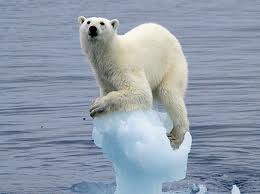
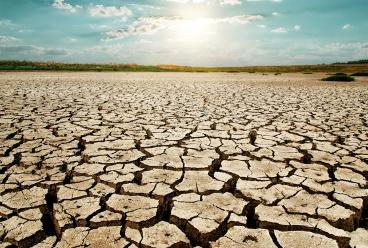
The debate on whether global warming is man-made or a cyclical occurrence won't matter to the grand scheme of things to come, because as I write this article melting ice is cooking the planet. What do I mean by that? The shrinking of Arctic sea ice will cause the ocean to absorb more energy from the sun, and it's now clear the effect will have an even bigger consequence as greenhouse gases will also rise.
Since the 1970s, Artic temperatures have risen 2 degrees Celsius which has led to a 40 per cent drop in the minimum summer ice coverage of the Arctic Ocean. With the Artic Ocean being more exposed to direct sunlight rather than deflecting the energy like the ice does, it absorbs the energy causing water temperatures to rise and cause more melting.
Ian Eisenman of the Scripps Institute of Oceanography in La Jolla, California, and colleagues turned to data from NASA's CERES satellite. They found that the Arctic Ocean's albedo – the fraction of sunlight it reflects back into space – dropped from 52 per cent in 1979 to 48 per cent in 2011. That may not seem like much, but it means a big rise in energy absorbed – equal to 25 per cent of that trapped by the rise in atmospheric carbon dioxide over the same period.
"That is big – unexpectedly big," says Eisenman. "Arctic sea ice retreat has been an important player in the global warming that we've observed during recent decades."
"It reaffirms that albedo feedback is a powerful amplifier of climate change, maybe even more so than is simulated by the current crop of climate models," says Mark Flanner of the University of Michigan in Ann Arbor.
The extra energy absorbed goes into the ocean, particularly on the side of the Arctic near Alaska and Siberia, which is losing the most ice. "I don't know where it's going from there," says Eisenman. "I think this is an important piece in the climate change story, but there are lots of other pieces we need."
The future of Arctic sea ice itself is also uncertain. Arctic summers will probably be ice-free later this century, but nobody knows how soon. "Right now we have very little ability to predict Arctic ice two months or 30 years out," says Eisenman.
So I guess the truth is no matter what scientist speculate the only known fact is the polar caps are melting and the planet is getting warmer.